


Connect with Ahmad
https://www.linkedin.com/in/ahmadjtahir/
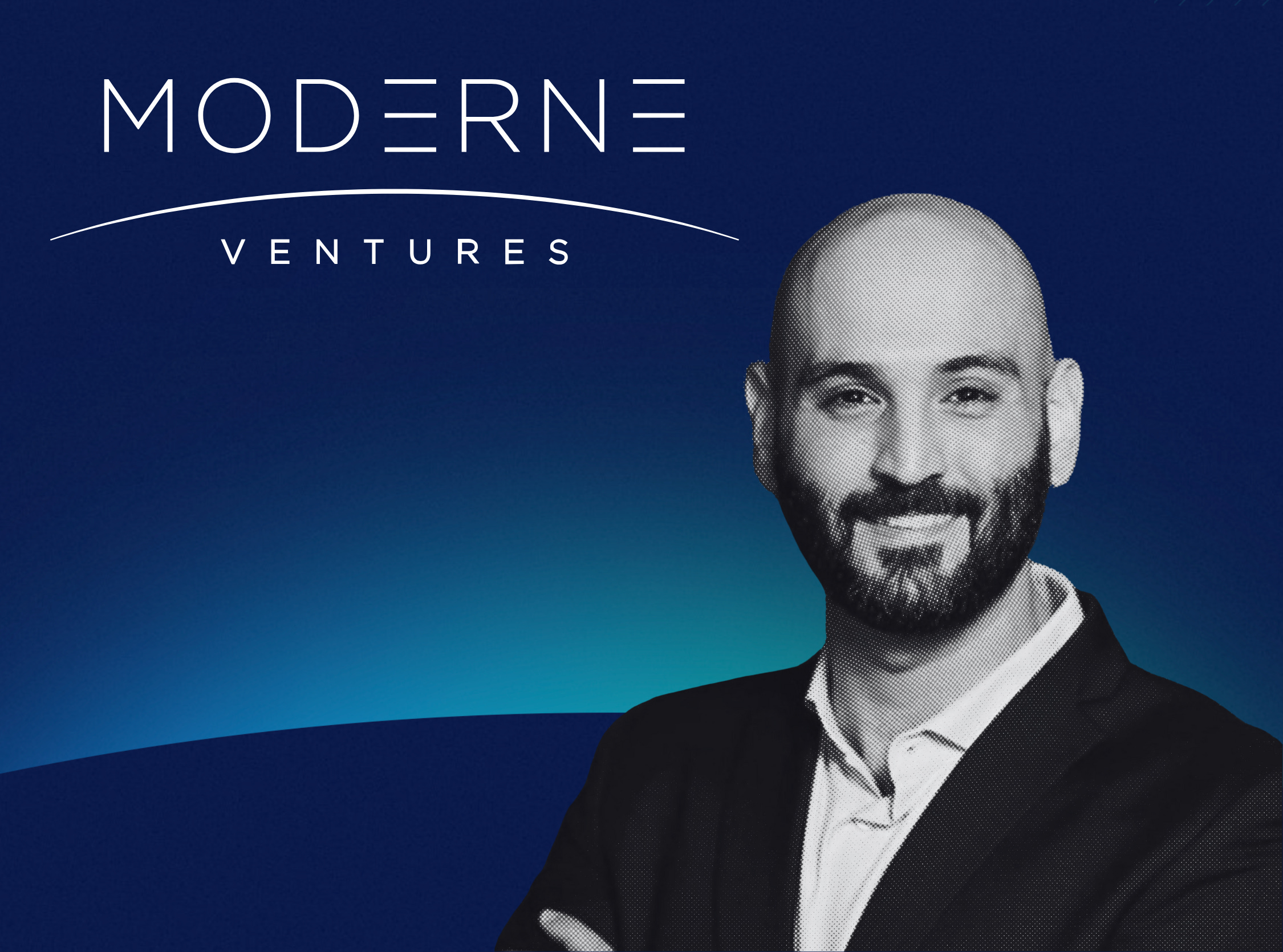
Ahmad Tahir didn’t arrive in venture capital chasing the role. He arrived after watching how companies actually behave when conditions change, and realizing that most investment theory only makes sense once you’ve lived through a few cycles yourself.
He began his career in investment banking in the shadow of the financial crisis. Like many people graduating at that moment, the path he imagined didn’t exist in the form he expected. Wall Street roles were scarce, and opportunity looked different than it had just a few years earlier. Ahmad took a banking role in Cleveland, not because it was the destination he had planned, but because it was where the work was. That decision, taking what was available and committing fully to it, set the tone for much of what followed.
From banking, Ahmad moved into corporate development roles across multiple industries, including energy, IT services, and technology. He joined companies at different stages, in different markets, and across very different points in the economic cycle. He experienced what it feels like to operate inside an organization when markets are expanding, capital is flowing, and optimism drives decision-making. He also saw the other side: what happens when conditions tighten, priorities shift, and leadership decisions suddenly matter a great deal more.
Those experiences fundamentally shaped how Ahmad evaluates businesses today. Rather than relying on abstract frameworks, he looks for patterns he has seen repeat over time. He has watched strong management teams adapt and survive downturns. He has also seen organizations with early advantages slowly lose ground because they failed to evolve. That kind of pattern recognition doesn’t come from spreadsheets alone, it comes from proximity to the work.
At Moderne Ventures, Ahmad brings that operating awareness into every investment conversation. He tends to focus first on the people. Ideas matter, but only in the hands of teams who can execute under real-world constraints. Having spent years in corporate development seats, Ahmad understands the complexity of aligning product, engineering, finance, and go-to-market teams, especially as companies grow. That vantage point allows him to identify not just what a company is doing well, but what might break later if left unaddressed.
His emphasis on multivertical businesses emerged naturally from that background. After seeing how cyclical industries like real estate, energy, and finance behave during downturns, Ahmad became cautious of companies built to serve only a single market. In his view, products that can apply across industries offer more than growth potential, they offer resilience. When one sector slows, flexibility can mean survival. Multivertical design buys founders time to adjust, refine, and continue building even as conditions change.
Geography plays a subtle role in how Ahmad operates. Based in Chicago, he sits outside the intensity of the Bay Area while remaining closely connected to it. He spends significant time in San Francisco and New York, but values the distance enough to preserve independent judgment. Being in the Midwest allows him to slow decisions down, pressure-test assumptions, and avoid the momentum-driven dynamics that can emerge when everyone is chasing the same companies at the same time. It’s not about avoiding competition—it’s about maintaining clarity.
One of the most defining aspects of Ahmad’s approach is how he treats relationships. Venture, in his view, is a deeply human business. If he can’t invest in a company, he introduces the founder to someone who might. He keeps a running list of investors he trusts and shares opportunities openly. That generosity isn’t transactional, it’s how he operates. Over time, it creates better conversations, stronger deal flow, and mutual trust with founders and peers alike.
For Ahmad, venture capital isn’t about having the perfect answer or predicting the future with precision. It’s about being honest about what you’ve seen, being thoughtful about risk, and staying close enough to operators and founders that your advice is grounded in lived experience.
Meet Ahmad
Q: You can be anywhere eating, drinking, reading. Paint the scene.
A: I’m with my wife and kids at a restaurant on the beach in Kauai.
How Ahmad Thinks About Venture
Experiences Shaping My Investment Approach
Ahmad’s interest in investing was first sparked during his freshman year when his cousin gave him Warren Buffett’s autobiography. He found the process of evaluating businesses fascinating, noting that it closely resembled solving a puzzle.
The turning point occurred during his junior year at Indiana University while enrolled in an investing class. Ahmad entered a stock investing competition, applying the frameworks he had learned from Buffett’s book to his own evaluations. After his use of these methods resulted in a competition win, the experience of seeing those frameworks lead to successful stock selection solidified his interest in the field.
What He Looks for in Founders
Ahmad starts with execution. He looks for founders who can take something from zero to one, who understand the problem they’re solving, have a credible reason for being the ones to solve it, and can sell the vision to customers, employees, and future investors. Ideas evolve. Teams determine outcomes.
How He Thinks About Risk
Having seen how quickly conditions can change across multiple industries, Ahmad favors companies designed with flexibility in mind. Multivertical products reduce dependence on a single market and give founders room to maneuver when external forces shift.
He’ll lean into uncertainty if he believes the team, market structure, and timing give him a shot at a power‑law outcome, but avoids avoidable risks like weak founding teams, misaligned incentives, or unclear ownership.
Advice He Gives Most Often
“Investors don’t just back ideas—they back traction, learning velocity, and ability to execute under uncertainty. It’s not about having the perfect plan; it’s about testing hypotheses fast, learning faster, and adjusting direction before the market moves.”
Unconventional Belief
Ahmad observes that some VCs still underprice or stay away from "hard pivots." He finds that founders who cleanly kill a prior idea, remain open and honest with their teams, and rebuild around a sharper wedge illustrate sharp decision-making skills. In many cases, he views these founders as more investable.
Trends and What’s Ahead
Ahmad is particularly interested in:
AI tools that dramatically accelerate research and internal workflows.
Payment infrastructure built on crypto and stablecoins, especially for large transactions like rent and mortgages.
Cybersecurity, as the rise of generative and “shadow AI” introduces new vulnerabilities into legacy systems.
Across all of these areas, he looks for practical adoption, not just technical novelty.
A Final Thought
The most common misconception about venture capital is that it’s purely intellectual. In reality, it’s relational. The best outcomes come from trust, collaboration, and sustained engagement, not just sharp analysis.
Ahmad believes the ecosystem would benefit from more openness: more conversations, more shared ideas, and more willingness to slow down and think together. Venture works best when investors stay grounded in experience and remember that behind every company is a group of people trying to build something durable.
More From Uncovered Media


