


Connect with Tanvi
https://www.linkedin.com/in/tlal/
VC Uncovered’s View
The future of venture capital is defined by optimizing (not just identifying) risk. Tanvi Lal, an investor at Intuit Ventures, exemplifies this philosophy by building a bridge between the classic discipline of a structured career and the bold, often chaotic world of early-stage startups.

Launched in 2021, Intuit Ventures operates with a clear mission: to “power prosperity around the world” by accelerating innovation for small businesses and consumers. Their focus on early-to-mid-stage startups in areas like fintech, AI-enabled services, and omni-channel commerce requires deep conviction paired with calculated rigor. Tanvi’s approach is perfectly suited for this mandate. She seeks out “real businesses” that exist just outside the current VC bubble; specifically, she targets those solving “mission-critical and hair-on-fire problems” for the small business backbone of the US economy.

What makes Tanvi part of the new wave of investors we highlight at VC Uncovered is her advocacy for a more sustainable, balanced work culture than what often permeates the industry. She rejects the trope of the perpetually working founder. Instead, she believes “the best businesses are built by balanced founders” and actively encourages taking time off for major life events. This realistic take recognizes that high performance and high returns are tied to founder sustainability: exactly the kind of systemic improvement the VC ecosystem needs.
Meet Tanvi
Q: You can be anywhere, eating, drinking, and reading your favorite thing. Paint the scene.
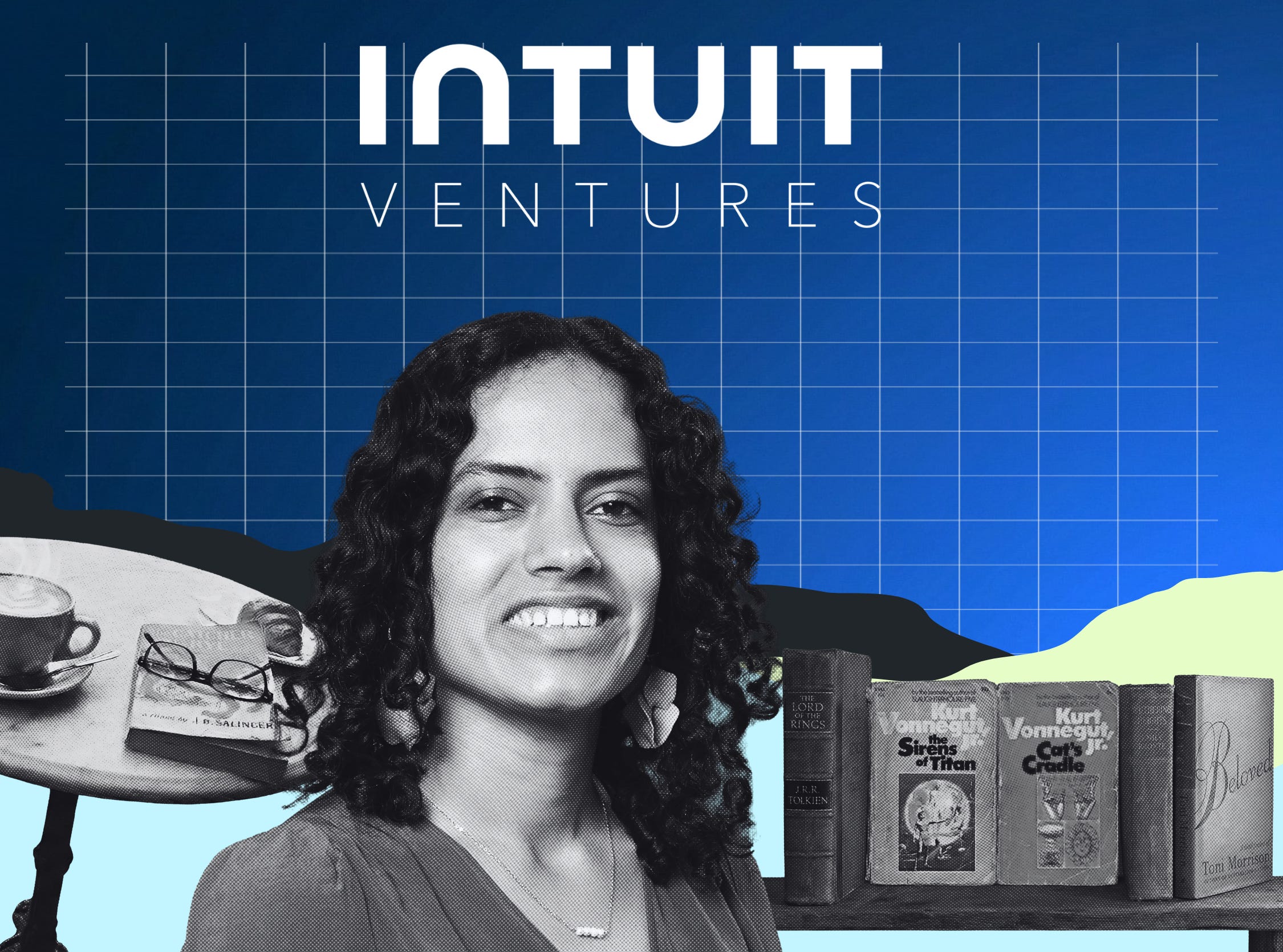
A: I’m sitting at a sidewalk café in NYC sipping a cappuccino with my future doggo curled up next to me; either digging into a new book or re-reading an old favorite.
Key Quotes
“The best businesses are built by balanced founders.”
“My investment philosophy is quite simple: invest around the VC bubble and look for real businesses.”
“Risk, nerve, and scrappy hustle are what drive successful investing returns.”
“Being ‘founder-first’ requires looking after the entire founder, not just the part of the person who makes you money.”
“The bubble is where the consensus bets are and where FOMO drives investment decisions.”
Background and Personal Journey
Formative Experiences
I grew up in a classic immigrant Indian household. My parents valued hard work, stability, and an honest living; structure and focus were key elements drilled into me as a child and reinforced by five years of boarding school.
Entering the VC world was a complete culture shock in many ways. Working hard here does not guarantee success; a strong focus on structure and following the book will not often get you where you need to go. Risk, nerve, and scrappy hustle are what drive successful investing returns.
At the same time, I think in VC we tend to over-index on the “classic” founder who bends the rules just a bit to get where they need to go. For every blockbuster success, there is a fraudulent crook. There is not enough acknowledgment of this fact; furthermore, there seems to be a pardoning of such founders even after they are caught. This is often rationalized by statements like: “But they did build a great business,” or “They were a visionary.”
My approach to investing takes root in my structured upbringing and tempers risk, nerve, and scrappiness with a healthy dash of process. I believe in comprehensive due diligence. While an over-reliance on structure will hold you back as an investor, using it in the right way is hugely additive to my role, especially given my focus on early growth-stage startups.
Shaping Your Worldview
I was a voracious reader as a child. You would always find me with my nose stuck in a book wherever I went, whether it was a road trip, dinner at a family friend’s house, or in bed. Growing up with books showed me how to weave stories and learn from the ones I liked.
This continued through college, where I majored in English Literature. In college, I wrote a 100-plus-page English Literature thesis where I analyzed over 50 sources, crafted a comprehensive argument, and defended it to a panel of professors. This is exactly what we do in venture; I credit my love for reading and my English Literature major as core drivers of my critical analysis skills.
An Unconventional Belief
I believe that the best businesses are built by balanced founders. While I expect to see strong subject matter expertise and a fanatic dedication to the business, I do not expect founders to be on 24/7. I actively encourage founders to take time off for big life milestones like weddings, honeymoons, and special occasions with family. I have met many other VCs and founders who disagree with me; they think I am not expecting enough from people or that I am soft. To me, if you want the best from a person, you must help them become the best versions of themselves. Having balance at key moments is integral to this.
Balancing Intuition and Data
There is an important role both intuition and cold hard analysis play in investment decisions; however, they must be used together. I treat my intuition as an antenna that flags important considerations for me to then dive into with my analysis. Generally, I find that my intuition is spot on when it comes to the “sniff test” of founder vibes and identifying weak spots to investigate. Learning to pay attention to that internal flag has helped me reach the right investment decision many times. I do not believe in wholly basing decisions on just intuition, nor do I believe in wholly basing decisions on data; you need both to make a well-informed decision.
Philosophy and Insights
Your Philosophy in a Sentence
My investment philosophy is quite simple: invest around the VC bubble and look for real businesses. The bubble is where the consensus bets are and where FOMO drives investment decisions. The bubble is where you have a forgiving balance sheet and strong track record; you can afford the losses. The bubble is not where you want to be as a young investor trying to make your mark.
I am interested in businesses solving mission-critical and hair-on-fire problems rather than building nice-to-have platforms. Through my role at Intuit, I have learned a lot about what makes the SMB backbone of the US work, and I am always excited about businesses solving those needs.
Approach to Risk
All VC investments come with risk, so my approach focuses on how to make the most de-risked or risk-adjusted bet. De-risking a bet comes in many ways: from confidence in the team’s execution ability to ensuring the business has ample runway. Risk adjustment is primarily based on the vision and upside I see for the business, as well as the proper negotiation of terms.
Measuring Success
Success in venture capital is a holistic concept. On one hand, you certainly need strong financial returns; the goal is to return capital to your LPs. On the other hand, capital is an increasing commodity in today’s VC landscape. Without a strong brand, you do not get very far in meeting the best companies. Your reputation and social capital are also huge measures of success. I often think of the VC space as a social barter system; you use your social capital to help your portfolio companies. But this capital is limited, so it is important to be judicious about how you use it.
Trends and Future Vision
Emerging Trends
A couple of areas I am spending a lot of time in include:
Next-gen ERPs: while there have been flashy funding rounds from companies in this space, I am fundamentally looking for a different style of ERP that solves the needs of non-SaaS businesses. I want to see a better and more modular/flexible ERP for construction, manufacturing, product-based businesses, etc., rather than better revenue recognition capabilities.
AI-enabled CFO tools: there are a host of platform layer companies using AI to automate finance workflows. There is a lot of promise here as well as a lot of risks/difficulties. Specifically, I am interested in AI accounting platforms (both for accounting firms and businesses), AI tax automation (for tax research as well as preparation), and AR automation. I break down the AI Accounting landscape in more depth in “AI x Accounting: A Deep Dive on the Startup Landscape.”

Vertical-specific marketing: as we have seen through e-commerce, access to vertical-specific data points (e.g., purchase behavior, offer behavior, review data, etc.) can often lead to revenue-generating marketing campaigns such as abandoned cart emails, personalized discounts, etc. However, this same line of thinking can be applied across the board, from restaurant orders to law firms to home services companies. Today’s tools are largely horizontal or require manual setup to be automated, but platforms like Owner, Topline Pro, and FirmPilot are doing the marketing work for their customers by using a vertical-first approach. I break this down in more detail in “The New Vertical SaaS Playbook: From Marketing to Monetization.”

Improving the Ecosystem
I have two things I wish I could improve:
The grind for the sake of the grind: I find many investors and entrepreneurs work hard for the wrong reasons. Rather than burning the midnight oil when needed, they constantly burn the midnight oil even when it is not needed. Many folks in this space seem to be into the grind for the sake of the grind. Startups advertise mattresses in their office for employees and proudly boast they are in the office seven days a week. Investors often love this; they encourage such behavior and even seek out founders with such a mentality. This to me is absurd. Work seven days a week when you need, but not as a modus operandi.
The lack of diversity: This is something I have long noticed and been involved in trying to rectify. The funding stats for women and URMs speak for themselves; however, what they do not show are the absolutely absurd day-to-day occasions, from comments like “can’t invest if she’s pregnant,” to realizing it has been days since you have seen or spoken to a Black or Latino individual. It is disheartening to show up as the “only” in a room and feel the weight and pressure of representing an entire demographic. Every time I bring this up to another woman or a person of color, I hear more stories about how this has shown up for them or their founders. Somehow, this continues to be something that endures; it constantly touches and bothers a large portion of this ecosystem.
More from Uncovered Media

